Music NFTs had a moment. Then they had a funeral.
2021. JPEGs of album art with an MP3 attached. Mints sold out in eight minutes. By 2023 the floor was the gas fee.
It's worth being honest about what actually broke, because the answer is not "crypto winter killed it." The mechanic was the problem.
Problem 1: it was a JPEG with audio
The asset had no onchain identity beyond a pointer to a file. The audio sat on IPFS. The cover art sat on IPFS. If the pinning service forgot you, your NFT pointed at nothing.
And the token itself did nothing. Hold it, list it, that was the menu. No burn, no change, no state shift. You could not do anything with it that you could not do with a Bandcamp link.
That's the actual reason most of those floors collapsed. People bought "I support this artist" and got back an illiquid receipt.
Problem 2: there was no scarcity rule
Mint counts were arbitrary. "10,000 editions" because 10k worked for Bored Apes. Music does not sell that way.
And supply only went up. New drops, new editions, no burn. Every new mint diluted whoever held the older one.
Catalog, Sound.xyz, Async, Royal, Audius — different angles, mostly the same problem. None of them had an active supply mechanic that responded to what holders did.
Problem 3: artists got one drop and nothing after
The royalty story was real but messy. Royalty enforcement on secondary cracked the moment OpenSea made them optional in 2023.
Most artists shipped one mint, made some money, and then the platform incentive ended. There was nothing for the artist on the upside if a holder's collection appreciated. Static royalty %, no engagement, no reason to come back.
What changed by 2026
Three things, actually.
- Contracts got better. ERC-1155 with burn-and-forge mechanics is now boring infrastructure, not a science project.
- The market grew up. Holders expect the token to do something. Builders had to ship more than art + audio.
- The cycle restarted with a different premise: scarcity that responds to demand, not scarcity printed on day one.
Where stems.fm fits
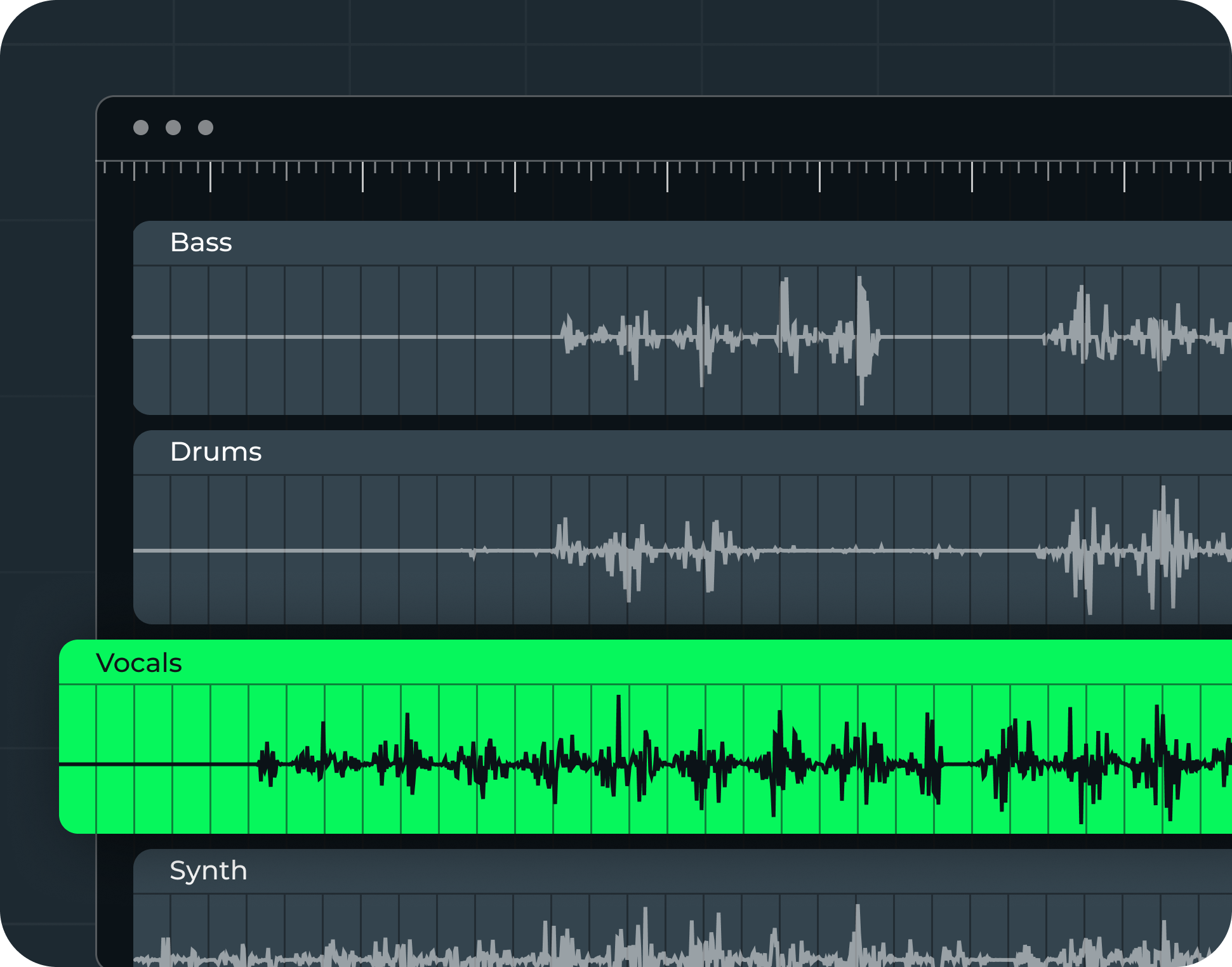
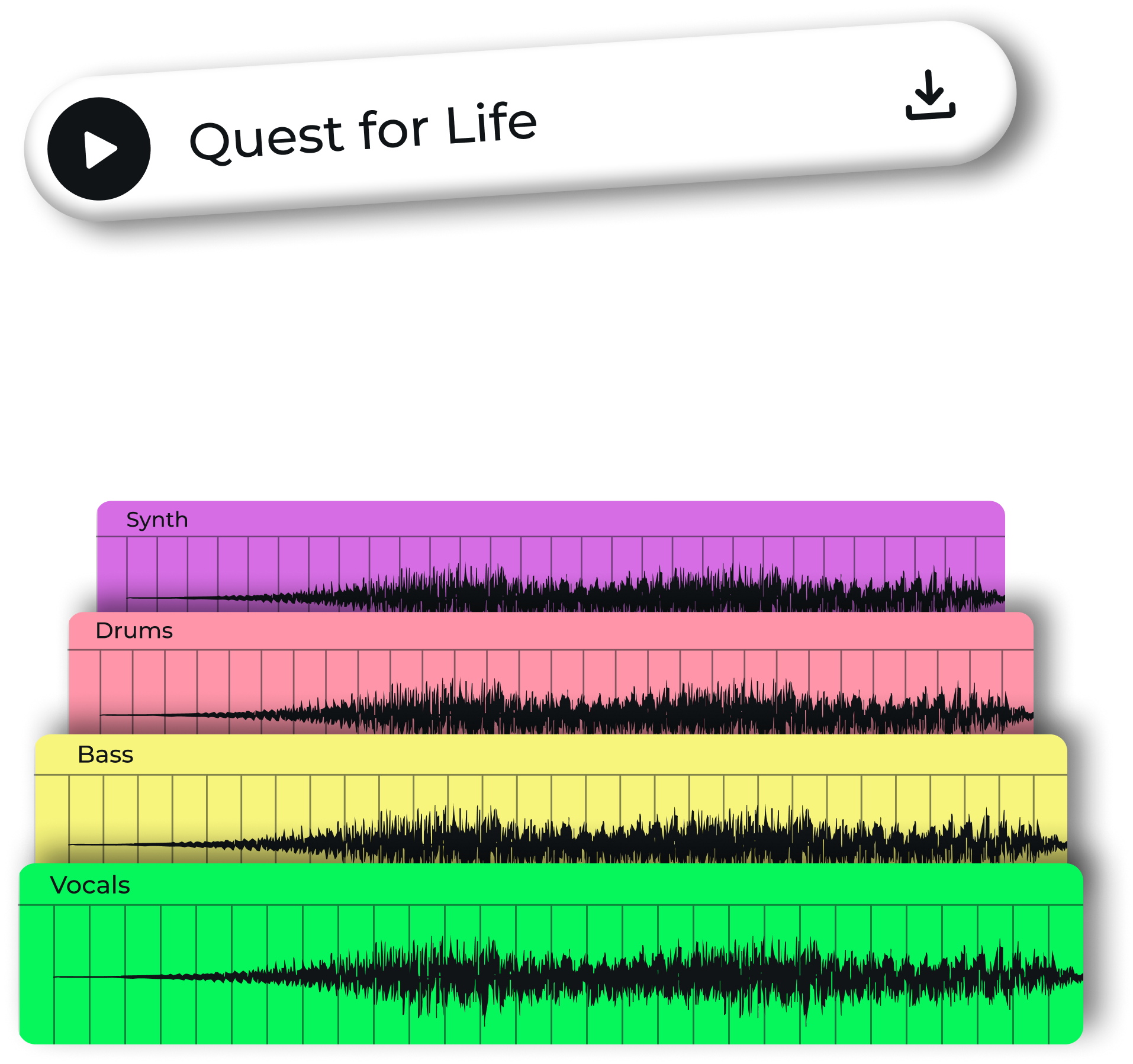
Stems does not sell finished songs as JPEGs. It sells the inputs.
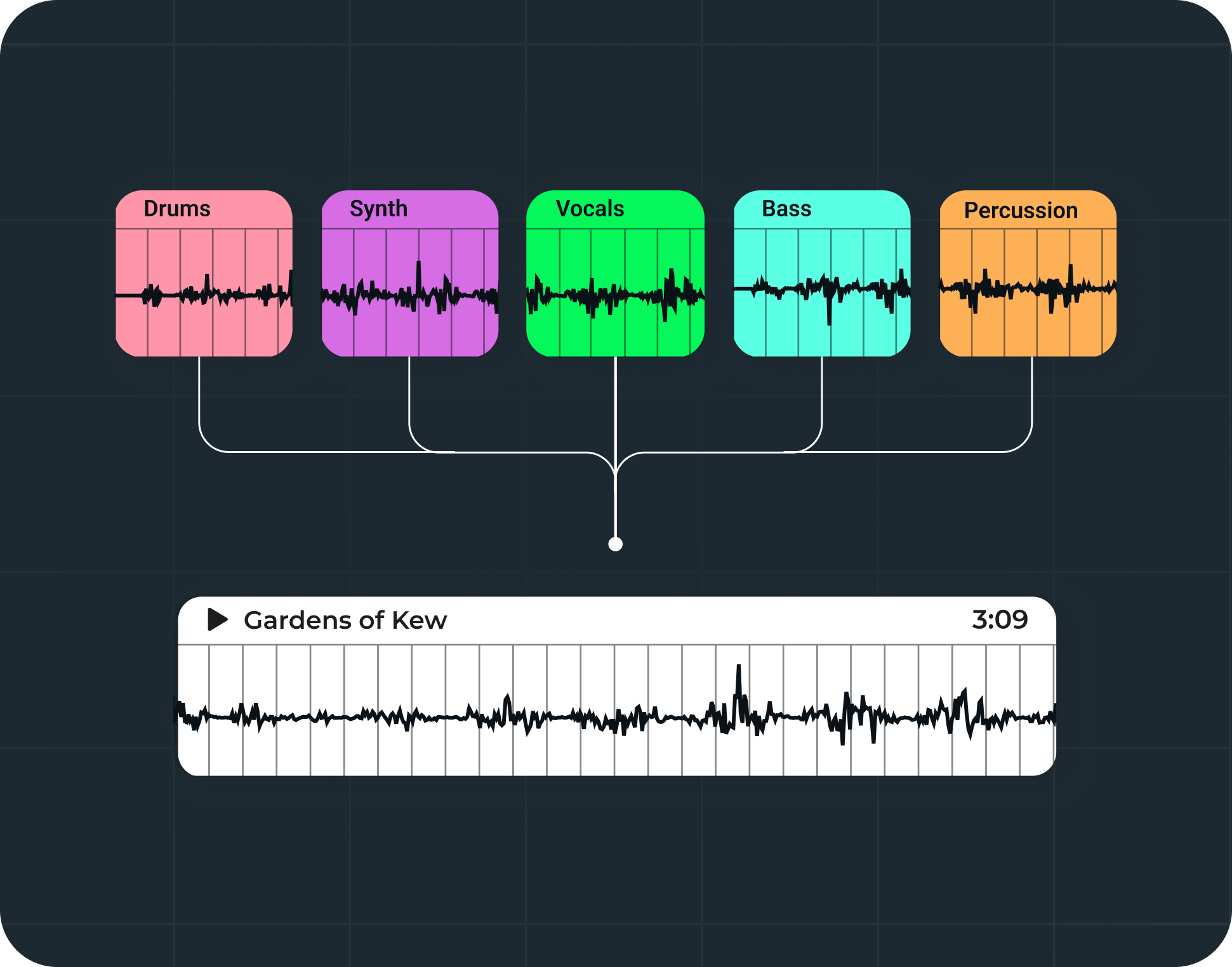
You collect stems. You burn them to forge a Song. You burn songs to forge an Album. Supply only moves one direction once forging starts. Three tiers, structural rarity, every burn visible on Etherscan.
The asset does not sit still. It has a job.
“Streaming measures attention. Stems measures market conviction.”
Is this just the same hype cycle?
Maybe. Two years from now we'll know.
But the bet is different. The 2021 wave priced art and hoped the market would care about owning it. The 2026 wave prices an action: burn, forge, scarcity earned over time. One was a bet on a moment. The other is a bet on a process.
What to actually watch
- Burn counts vs mint counts. If burns are outpacing new mints, the model is working as designed.
- Album token supply by release. Lowest number wins.
- Secondary floor for forged Song and Album tokens, not stems. That's where market conviction shows up.
- Whitepaper: "Stems: A New Layer for Valuing Music" by Kyler Simzer. Footer, Documentation.