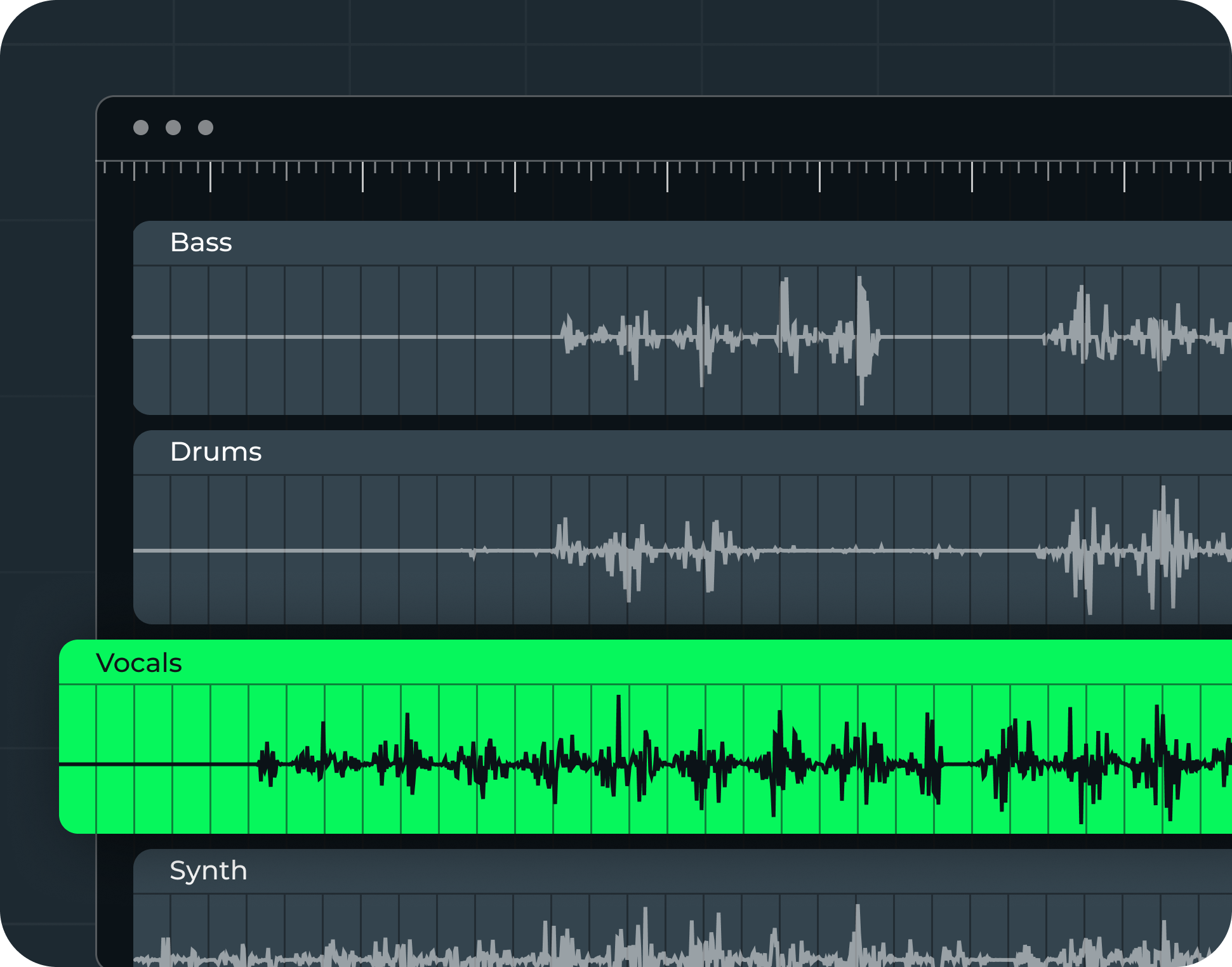
You bought the token. You did not buy the song.
Sounds harsh, but it's the right place to start. Most arguments about music NFT ownership come from skipping this line.
Here's what the chain actually says you own, what stems.fm tokens add on top, and what they don't grant. Useful to know before you spend.
The token vs the copyright
A music NFT is an ERC-1155 token recorded onchain. The chain says: this address holds this token ID. That's the ownership claim. Nothing more, nothing less.
The copyright on the underlying song? Still belongs to the artist or label that made it. Same as if you bought a vinyl record. Holding the record doesn't let you press more copies or license the master for a Netflix show.
Worth being precise here because some music NFT projects oversell this. "Own the song" language gets thrown around. Read the contract terms, not the marketing.
What the chain confirms you own
- The token itself, recorded against your wallet address
- The right to transfer, sell, or burn it whenever you want
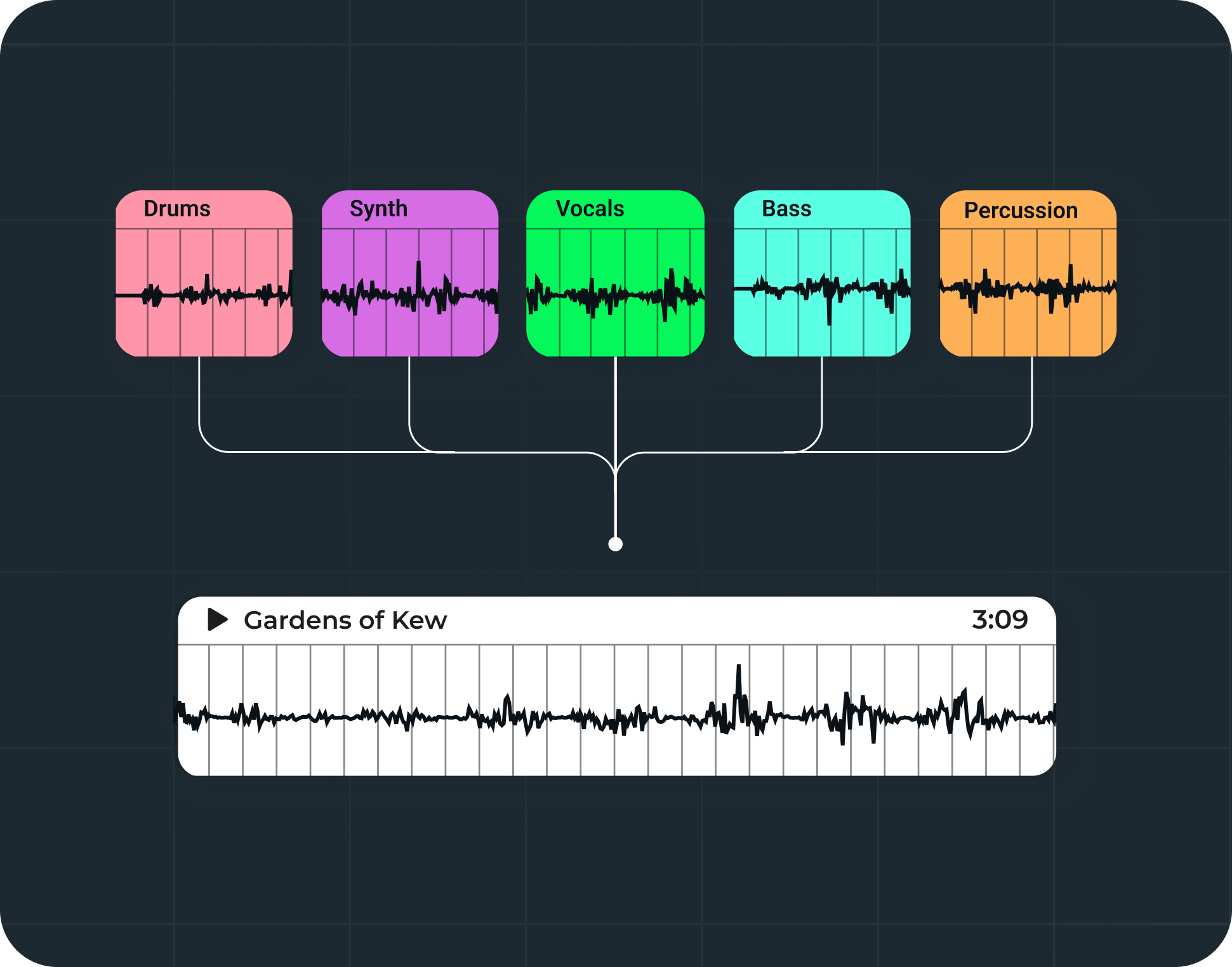
- The right to use it in any forging mechanic the contract supports. On stems.fm, that's burning stems into songs and songs into albums
- The provenance trail. Every prior owner is in the transfer history, permanently
That's the floor. It's not nothing. A receipt that can't be revoked by a platform shutdown is genuinely new.
What stems.fm tokens add
On top of the base token, stems.fm wires in some structural stuff:
- Forging eligibility: your stems can be burned into songs, your songs into albums, under the rules in the contract
- Onchain visibility of supply changes: every burn shows up at the zero address on Etherscan, so rarity claims are checkable
- Reveal mechanics: unrevealed stems become specific instrument tokens once the reveal lands
- Social and community signal: owning a low-supply Song or Album token in a public wallet says something on its own
These aren't extra legal rights. They're token utility built into the contract logic itself.
What they do not grant, yet
Holding a stems.fm token does not currently give you:
- Master recording rights or copyright in the song
- Sync licensing: putting the audio in a film, ad, or game
- Commercial use of the audio file outside the platform
- An automatic share of streaming revenue from Spotify, Apple Music, or any DSP
- A guaranteed dividend or royalty payment from any other source
The whitepaper is explicit on this. Revenue rewards are forward-looking. Tokens may be tied to revenue distributions in future versions of the platform. May. Not will. Anyone telling you music NFTs pay royalties today is either talking about a different project or making it up.
Custody: your keys, your tokens
Once you mint or buy a stems.fm token, it's in your wallet. Not on a stems.fm server.
If you lose your seed phrase, the tokens are gone. Stems.fm can't recover them. Nobody can. That's a feature, not a bug, but it changes how you should think about storage.
Practical version: hardware wallet for anything you'd be sad to lose. MetaMask is fine for active trading. Don't screenshot the seed phrase. Don't email it to yourself.
Royalties on secondary, briefly
When you resell a music NFT on OpenSea, the smart contract can suggest a royalty back to the artist. Since 2023 those are technically optional on most marketplaces. Some honor them, some don't.
If artist royalties matter to you, check the marketplace's policy before you list. The choice is yours, but it's a choice now, not an enforcement.
Quick FAQ
Can I play the audio file commercially in my DJ set? No. The audio file is licensed for personal listening. Public performance and commercial use go through the artist or their PRO.
Can I sell the token? Yes. That's a core right. Move it through any ERC-1155 marketplace.
Do I lose ownership if stems.fm goes down? No. The token lives on Ethereum. The website is a viewer. Etherscan still confirms you hold it whether the site is up or not.
Can the artist change what the token represents after I buy it? The metadata uri can technically be updated, depending on the contract. Stems.fm tokens point at fixed metadata once revealed, so the stem you collect stays the stem you collect.
How to think about it
Treat the token like a verified collectible. You own a numbered piece of something, in a way that's checkable forever. That's the deal.
What it might become (revenue-tied, governance-tied, anything else) is a separate bet on the platform's roadmap. Stems is honest that those mechanics are future versions, not the current product.
Read the source
- Stems whitepaper: "Stems: A New Layer for Valuing Music" by Kyler Simzer (footer, Documentation)
- Stems.fm contract on Etherscan: 0xb8673dd1FAc82c149Be8a68E09E1a9a5e87C8D1a
- Your own wallet: the only place that confirms what you actually hold
The token is real. The rights it carries are smaller than the marketing for music NFTs usually implies. Both things can be true.