Spotify pays roughly $0.003 per stream.
That's not a typo. Three-tenths of a cent. A million streams gets you around $3,000 before any cuts. Split 50/50 with a label and you net $1,500. Split again with co-writers and a producer, you net less.
That math is why most musicians have a day job.
Music NFTs are trying to fix it. Not by replacing streaming (streaming is going to keep paying terrible per-play rates) but by adding a different revenue track on top. Direct sales of music collectibles. Pieces of songs and albums sold to fans who actually hold what they buy.
Here's how that plays out in practice, and why composable platforms like stems.fm are changing the math for independent artists.
The streaming math, slightly more honest
Streaming services pay out a pool. Your share of the pool is your share of total streams across the platform. There's a per-stream rate, but it varies by subscription tier, country, ad vs. premium, and a lot of opaque platform decisions.
Average per-stream payouts in 2025:
- Spotify: ~$0.003
- Apple Music: ~$0.007
- Amazon Music: ~$0.004
- Tidal: ~$0.012
Tidal pays best per stream but has roughly a hundredth of Spotify's subscribers, so total earnings net out lower across most catalogs.
If you're an indie artist on streaming, you're playing a volume game. You need scale to make money. Most artists never get there.
What music NFTs change
Music NFTs let you sell music directly. The buyer pays you (or your contract), the marketplace takes a small fee, you keep the rest.
A song NFT priced at $50, bought by 100 fans, equals $5,000. That's a million Spotify streams' worth of revenue from 100 sales.
The trade-off: you need an audience that wants to own things, not just stream them. NFTs are a smaller market than streaming. But the per-fan economics are better by an order of magnitude, and the relationship with the fan is direct rather than mediated.
For most artists, the answer isn't "switch to NFTs" or "stay on streaming." It's both. Stream everywhere for reach. Sell collectibles to fans who care enough to own.
Composable NFTs go further
Most music NFT projects so far have done the simple version. One song, one token, sold once. Works fine, but it caps how many objects you can sell per song.
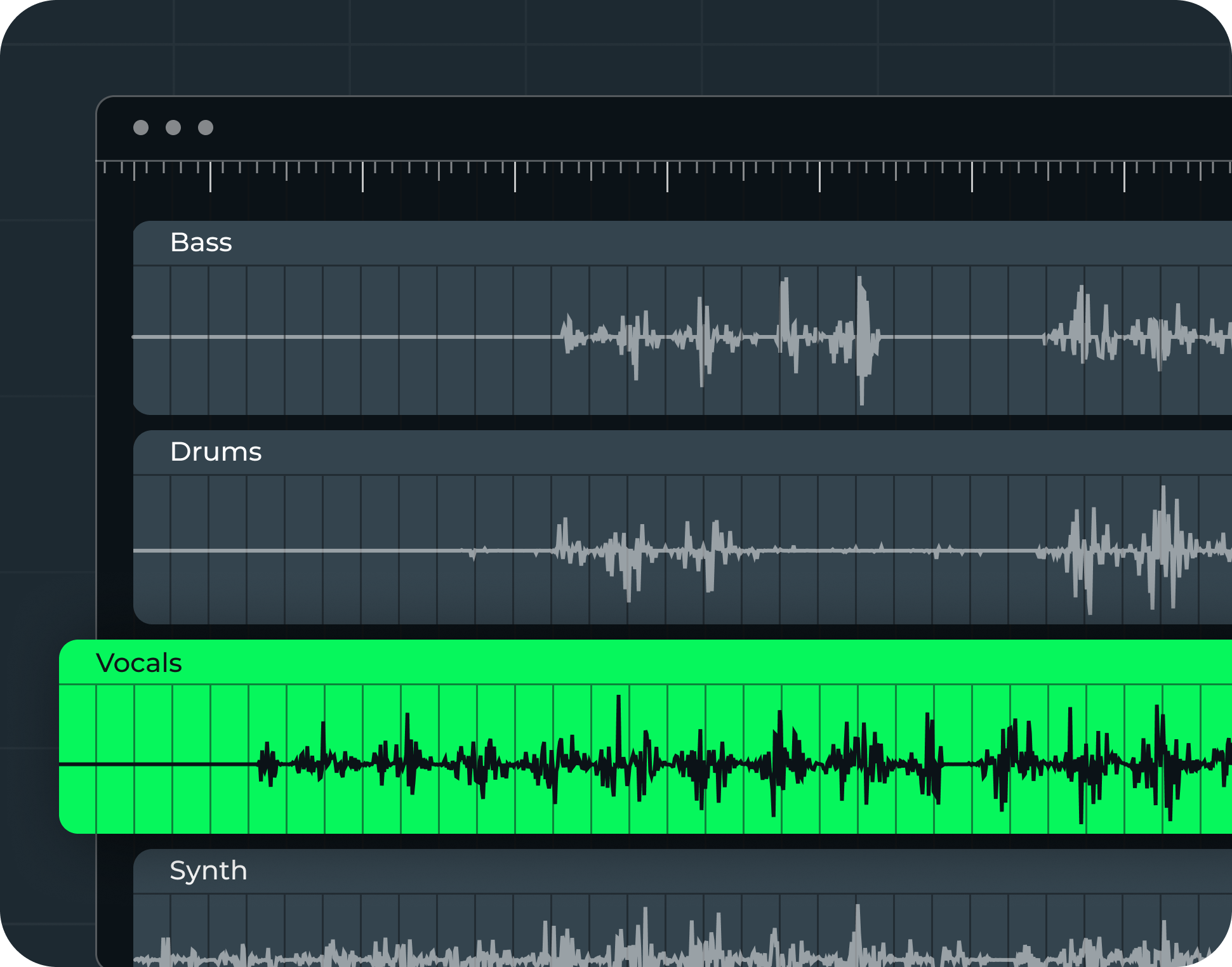
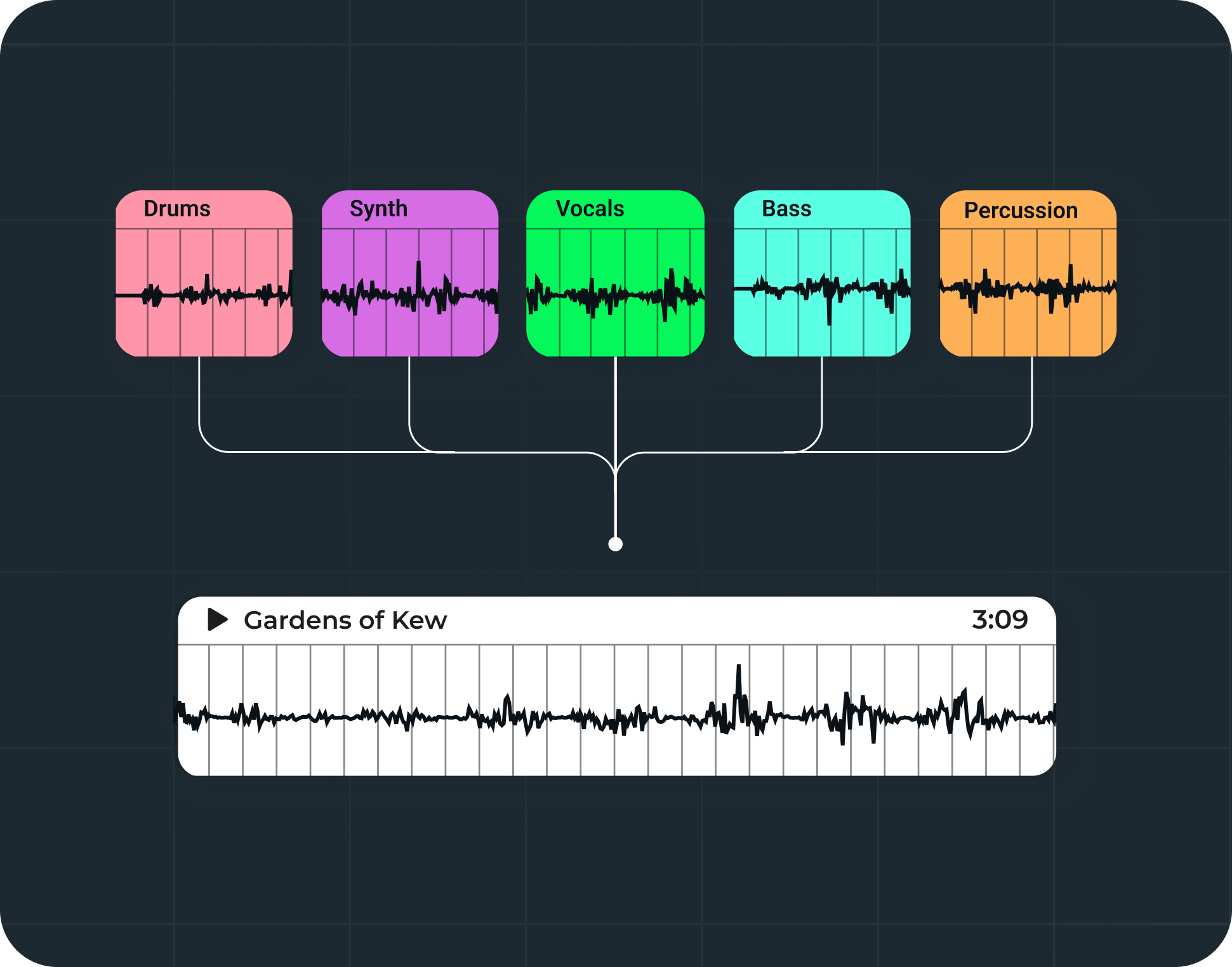
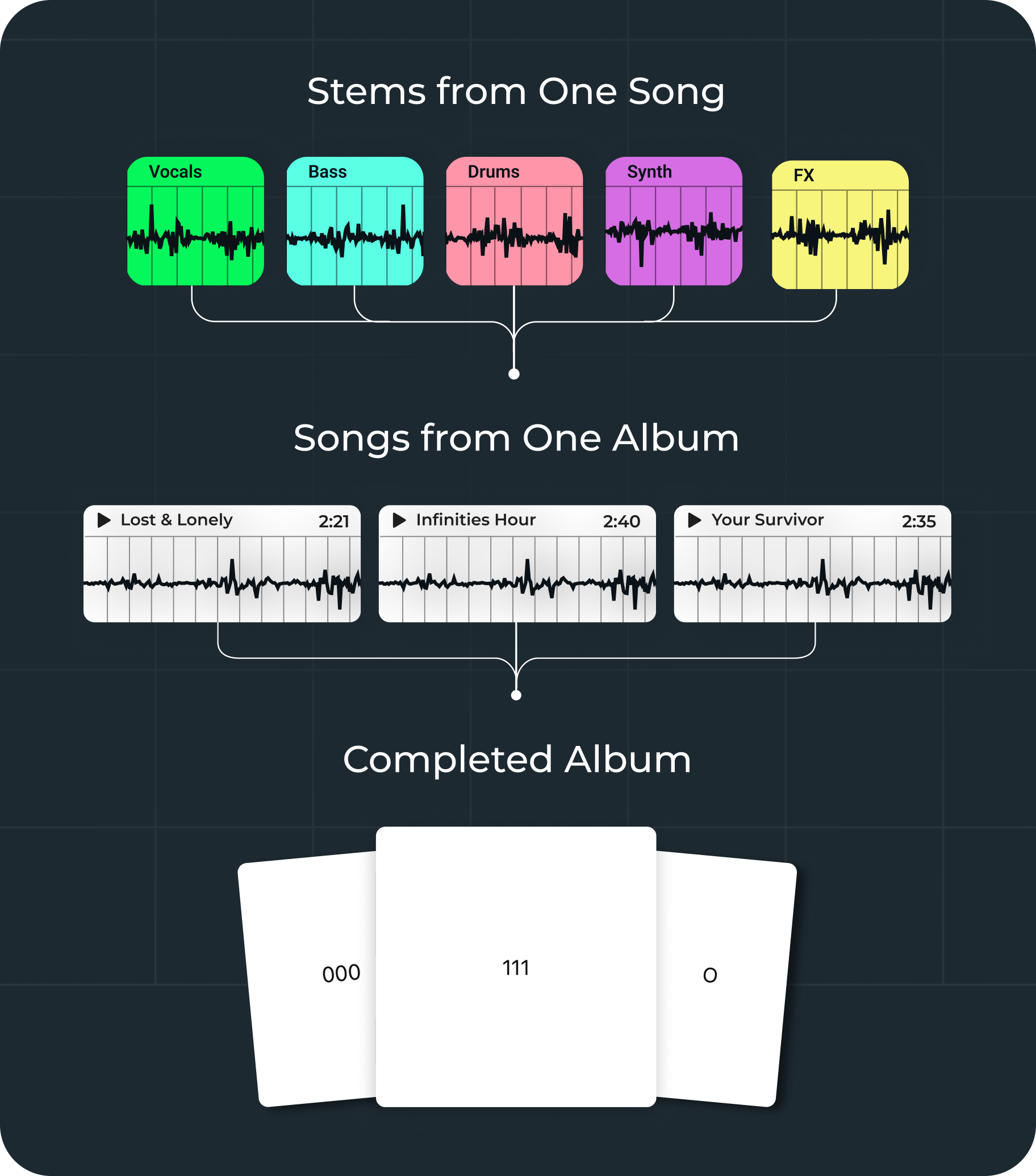
Composable NFT platforms — stems.fm being the prominent one — sell every stem of a song as its own NFT. Drums, bass, vocals, synths, FX, percussion all separately. Then collectors combine them.
For the artist, this means:
- More objects to sell per song. A song with 8 stems = 8 separate markets per song.
- Stems trade after the initial mint. Royalties are possible on every secondary trade where the marketplace honors them.
- When collectors forge stems into a Song token, the underlying stems burn. Supply shrinks. Remaining stems become rarer — good for everyone holding them, including the artist if they kept some.
It's a different release shape entirely. A streaming release is one click and the song is in 200 countries. A composable NFT release is several markets, several revenue events, and several long-tail tradeable assets.
Where the platform fits
Stems.fm runs on Ethereum mainnet, uses ERC-1155 so all stem/song/album tokens live in one contract, and lists on OpenSea by default. Kyler Simzer's catalog is the first one running on it.
For an artist considering composable NFTs: the model isn't proven yet. There aren't enough public datasets to say "do this and you'll out-earn streaming by 10x." What there is, is a structurally different relationship with fans:
- Direct sales instead of platform-mediated streams
- Trackable ownership instead of anonymous plays
- A signal that fans care enough to own something instead of skipping past it
A word on revenue rewards
Kyler's whitepaper is precise here, and it's worth being precise back. Future versions of stems.fm may tie song or album tokens to revenue distributions from streaming or sync income. The platform would coordinate the distribution — collecting revenue centrally and routing it to eligible token holders.
That isn't live today. The whitepaper is clear about not promising guaranteed income. So the current pitch isn't "royalty share to collectors." It's "your fans can own pieces of your songs, in a way that may eventually carry revenue eligibility but today carries collection and trading rights."
If you're announcing a music NFT release to your audience, be just as precise. Promise what you actually deliver. Don't oversell.
The honest summary
Streaming pays badly. It's going to keep paying badly. The major services have no incentive to change.
Music NFTs are a parallel track, not a replacement. Higher margins per fan. Real ownership relationship. Smaller addressable market right now, but the per-fan economics are orders of magnitude better.
For an independent artist, the right move is usually both. Stream for reach. Sell collectibles for revenue.